How to inspect quality when shopping New Sea Containers For Sale
Vital Aspects to Consider and Kinds to Explore When Acquiring New Shipping Containers
When considering the purchase of new Shipping containers, numerous important elements enter into play. Container size and intended usage greatly affect the decision. Product types likewise impact sturdiness and capability. In addition, understanding budgetary restrictions is crucial. Each facet requires careful thought to assure the container meets specific needs. However, the complexities of these elements can bring about complication. Discovering them a lot more can supply quality and guide buyers towards an informed option.
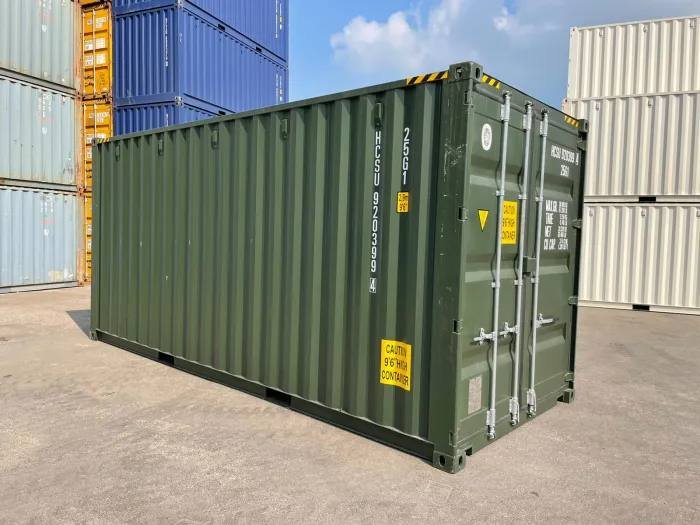
Understanding Container Sizes and Dimensions
Shipping containers come in numerous sizes and measurements, important for conference particular transportation and storage requirements. The most typical container sizes are 40-foot and 20-foot units, with the 20-foot container providing around 1,160 cubic feet of area, while the 40-foot variation offers regarding 2,390 cubic feet. Furthermore, there are high-cube containers that provide extra elevation, permitting for even more volume and fitting bigger cargo.
Specialized containers, such as refrigerated units, are readily available for delivering temperature-sensitive items, while level shelf containers are developed for extra-large things. When picking a container, it is essential to evaluate the designated usage, as different sizes can considerably influence Shipping expenses and logistics. Comprehending the measurements and ability of each container type makes it possible for purchasers to make informed decisions, making certain efficient transport and ideal utilization of room for their freight requires.
Evaluating Container Condition: New vs. Made use of
When selecting a delivery container, purchasers should take into consideration the condition of the system, whether new or used (Buy New Shipping Containers). New containers use the advantage of beautiful problem, ensuring structural integrity and a much longer lifespan. They typically feature warranties, providing peace of mind for buyers seeking dependability in transportation or storage space. New containers are commonly a lot more costly.
On the other hand, used containers can present considerable price savings. These devices might reveal indications of wear, such as rust or dents, but many are still structurally sound and ideal for numerous objectives. Buyers must extensively inspect made use of containers for leakages, architectural damages, and overall problem to validate they fulfill their requirements. Certification of seaworthiness can also be a beneficial indication of quality. Inevitably, the choice between used and new containers need to line up with the customer's budget, intended usage, and long-term prepare for the container.
Product Kinds and Their Ramifications
While several customers concentrate on the problem of Shipping containers, the material kind additionally plays a critical duty in establishing their viability for different applications. Many Shipping containers are constructed from corten steel, known for its toughness and resistance to deterioration. This makes them perfect for international delivery, where exposure to harsh weather condition conditions prevails.
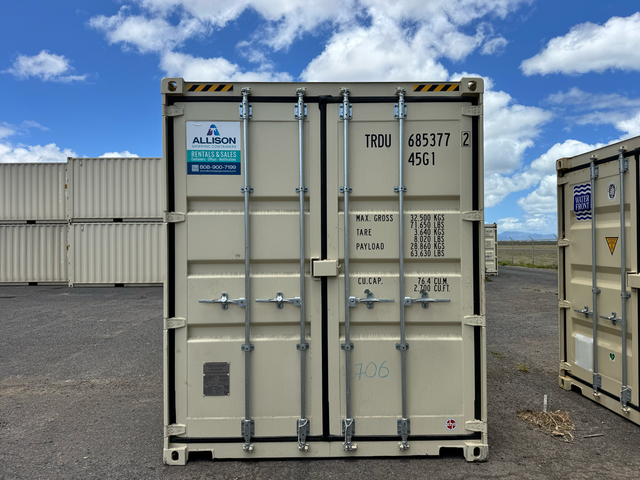
An additional option includes modified containers made from timber or composite products, appropriate for innovative applications. Each material kind has distinctive implications, influencing longevity, upkeep demands, and general expense - New Shipping Containers. Customers ought to very carefully examine these elements to guarantee their picked container lines up with their intended objective and environmental conditions
Meant Use: Storage Space, Offices, or Living Rooms
Figuring out the intended use a shipping container can substantially affect the choice procedure, as different applications call for certain features and adjustments. For storage objectives, containers may require ventilation, shelving, or climate control to secure products from moisture and temperature level fluctuations. Conversely, when made as office, containers frequently need insulation, electrical wiring, and windows to produce a comfy and functional functioning setting.
If the goal is to create living spaces, additional factors to consider enter play, such as pipes, boosted insulation, and aesthetic coatings (New Sea Containers For Transportation). Each intended use necessitates a different strategy to design and functionality, which directly affects the overall cost and feasibility of the job. Therefore, understanding the specific demands of storage, workplace, or living applications is essential in making an informed choice when purchasing a shipping container
Budgeting for Your Shipping Container Purchase
As potential buyers check out the alternative of purchasing a shipping container, establishing a clear budget ends up being vital to the decision-making procedure. Delivering containers can be found in different dimensions and problems, which considerably affect their costs. New containers normally cost greater than utilized ones, but they may use far better toughness and less repairs.
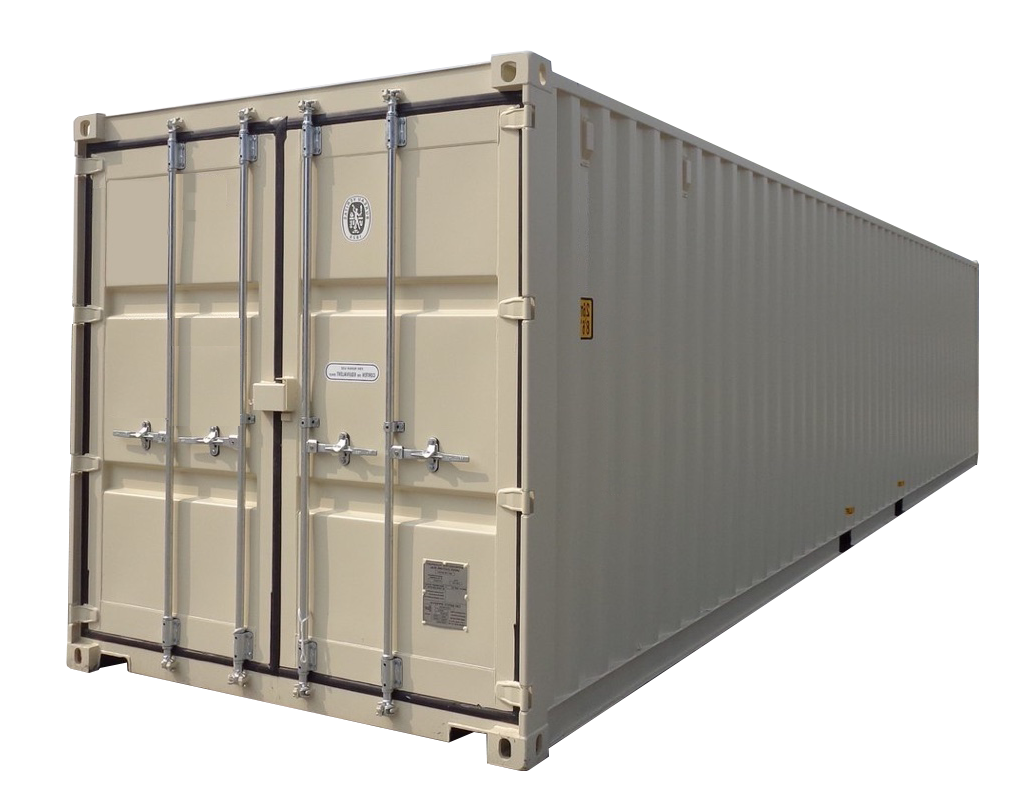
To properly manage their budget, purchasers should carry out thorough research study to contrast costs from numerous suppliers and assess the container's problem. By taking these variables into account, prospective purchasers can make informed monetary choices that line up with their lasting goals and specific needs.
Frequently Asked Inquiries
Can I Tailor My Shipping Container After Acquisition?
Yes, delivering containers can be personalized after purchase. Owners frequently modify them for various usages, such as including doors, windows, insulation, or electrical systems, tailoring the container to satisfy specific demands or choices.
What Allows Are Needed for Placing a Shipping Container on My Residential or commercial property?
The required permits for putting a shipping container on residential or commercial property vary by location. Generally, home owners should inspect with local zoning regulations, have a peek at this website building codes, and possibly get licenses for structures, storage, or land utilize as necessary.
How Do I Deliver a Delivery Container to My Area?
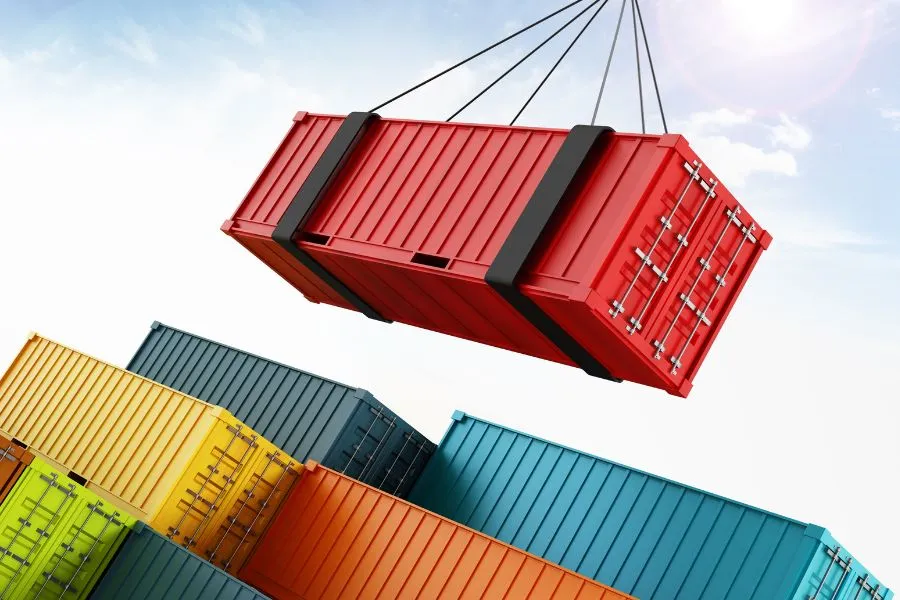
To transfer explanation a delivery container, one have to schedule a flatbed truck or specialized container transportation lorry. Appropriate equipment and permits are vital to guarantee secure delivery and compliance with local guidelines throughout transportation.
Exist Funding Options Available for Buying Shipping Containers?
Yes, numerous financing alternatives are readily available for buying Shipping containers, including car loans, leases, and rental contracts. Numerous distributors supply adaptable repayment plans to accommodate various budget plans and economic scenarios, guaranteeing ease of access for potential customers.
What Is the Average Life Expectancy of a Delivery Container?
The average life expectancy of a delivery container normally ranges from 10 to 25 years, depending on variables such as use, upkeep, and environmental problems. Appropriate care can greatly extend the container's durability and usability.
The most usual container dimensions are 40-foot and 20-foot devices, with the 20-foot container giving about 1,160 cubic feet of area, while the 40-foot version uses about 2,390 cubic feet. Specialized containers, such as cooled units, are offered for transporting temperature-sensitive products, while level shelf containers are designed for extra-large items. When choosing a shipping container, purchasers need to take into consideration the condition of the device, whether brand-new or used. While many customers focus on the condition of Shipping containers, the product type also plays a crucial function in identifying their viability for different applications. To deliver a shipping container, one need to organize for a flatbed truck or specialized container transport vehicle.